NPPG Administrator, Suite 213, Boundary House, London W7 2QE
News from NPPG October 2026
Click the headings to reveal the content. Click again to close
A message from the NPPG chair
 Shaping NPPG’s future strategy
Over the past year, we have been working to shape the next phase of NPPG’s strategy, with one clear aim: to ensure our priorities reflect what matters most to our members and the wider neonatal and paediatric pharmacy community.
Our member survey highlighted the importance of practice guidance, medicines safety and standardisation, alongside calls for greater support for research, workforce development, education and advanced career development.
Building on this, the NPPG Committee held a strategy workshop in March. Six priority areas emerged: workforce; medicines safety; member engagement and communications; education and training; financial sustainability; and research. Across these areas, common ambitions include supporting the implementation of national standards, developing credible workforce standards, strengthening NPPG’s infrastructure and influence, and continuing to provide high-quality, high-value support for members.
The next step is to turn these priorities into a focused and achievable strategy, with clear objectives and measures of success. I look forward to working with our Committee and members to take this forward over the coming months.
With our conference approaching, I’m also really looking forward to meeting many of you face to face. Please come and talk to us about the challenges you are facing in practice, what you need from NPPG, and where you think we should focus our efforts. Your views will help shape what we do next.
Reflections on being a SIG Committee member
Being a committee member of the NPPG DGH special interest group has been an incredibly rewarding experience. One of the greatest benefits has been the opportunity to connect with pharmacists working in DGHs across the UK and realise that many of us face similar challenges, particularly when working in predominantly adult focused pharmacy departments where paediatric pharmacy can sometimes feel isolated.
The SIG provides a supportive forum to share ideas, discuss common issues and showcase the valuable work being undertaken within DGH pharmacy. It allows us to learn from different perspectives, strengthen professional networks and gain a broader understanding of paediatric pharmacy practice and its impact across a range of healthcare settings.
Through my involvement with the committee, I have had the opportunity to step outside my usual role and contribute to initiatives such as writing for the PJ, developing educational resources and exploring research opportunities. These experiences have helped me build confidence, develop new skills and expand my professional network.
Like many committee roles, balancing commitments alongside a busy daily workload can be challenging at times. However, the flexible and supportive nature of the committee means members can contribute in ways that align with their interests, expertise and capacity. There is no expectation to be involved in every project and even small contributions can help make a meaningful difference.
For anyone considering a similar role but unsure whether to get involved, I would strongly encourage you to take the opportunity. It is a fantastic way to meet like-minded colleagues, learn from others and contribute to positive change within paediatric pharmacy. The experience has been both professionally and personally rewarding and I have gained far more from it than I ever anticipated. Ultimately, being part of the NPPG DGH SIG has shown me how collective enthusiasm, shared expertise and collaboration can drive improvements in practice and support better outcomes for children and young people.
Tahiba Zulfiqar
Lead Pharmacist- Women & Children
Buckinghamshire Healthcare NHS Trust
Stoke Mandeville Hospital
Safe Use of Continuous Intravenous Propofol Infusions in Paediatric Critical Care
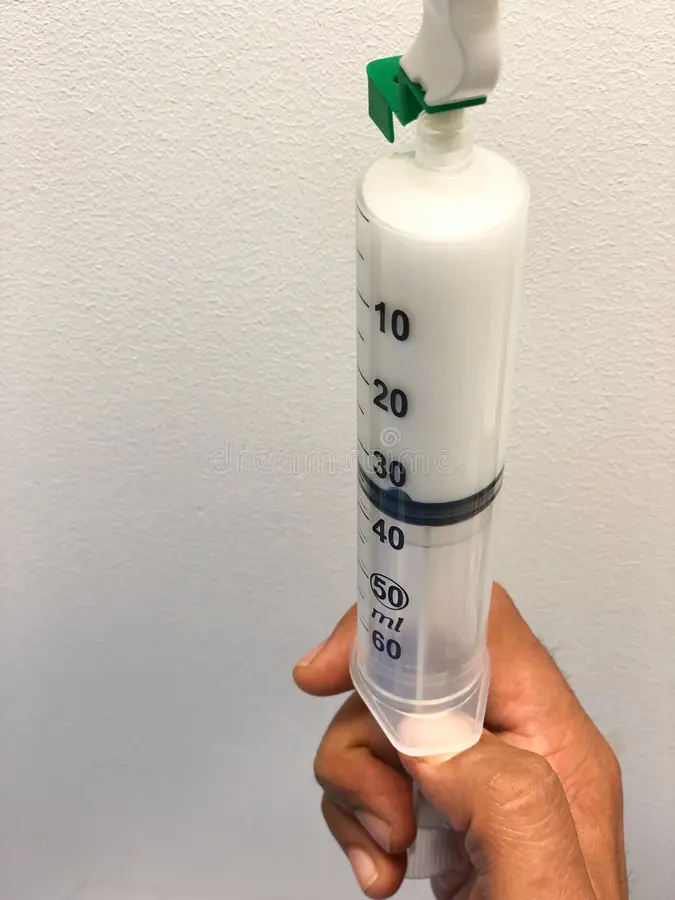
The latest NPPG Position Statement was published at the beginning of October. You can access the document and supporting evidence at https://nppg.org.uk/propofol/
Special Interest Groups
NPPG has several Special Interest Groups. Each has its own page on the website, along with contact details if you wish to join. The Neurology and Endocrine groups are in the process of being set up and will have their own page soon
| SIG | Lead |
| Neonatology | Sian Gaze |
| PCC | Chris Paget, Sarah Wheeler |
| POP | Vicky Holden |
| PANG | Helen Doble |
| RIG | Sukeshi Makhecha |
| Rheumatology | Tavi Aragon-Cuevas |
| Cardiology | Susie Gage |
| DGH | Ashifa Trivedi |
| Pharmacy Technicians | Pat Hayes |
| Neurology | Andrew Taylor |
| Endocrine | Nabil Boulos |
Oral phenobarbital liquid
We are in the process of finalising the Formulary Assessment Tool for the licensed oral phenobarbital liquid.
In the meantime we wanted to share a useful new resource from the Specialist Pharmacy Service (SPS) on the use of liquid oral phenobarbital:
This guidance has been developed in response to the introduction of a new licensed oral phenobarbital liquid formulation and provides practical advice to support its safe use in clinical practice.
The article highlights a number of important considerations, including:
- Differences between licensed and unlicensed phenobarbital oral liquid products.
- Variation in excipient content between formulations and the potential implications for neonatal and paediatric patients.
- Factors to consider when selecting an appropriate product for individual patients.
- Risk minimisation strategies when prescribing, dispensing and administering liquid oral phenobarbital.
- Considerations for enteral tube administration and product handling.
Please do share any experiences, practical considerations or local approaches your units are adopting as this guidance is implemented.
NPPG supports letters sent to Secretary of State regarding neonatal pharmacist staffing
NPPG supports letters sent to Secretary of State regarding neonatal pharmacist staffing
NPPG, in conjunction with the British Association of Perinatal Medicine (BAPM) / NPPG drug safety Group and BLISS, have recently supported a letter to the Yvette Copper, Secretary of State for Health and Social Care, highlighting the current shortfalls in neonatal pharmacy staffing both for individual neonatal units and Network neonatal pharmacist posts.
One of the letters calls for greater recognition of neonatal care within the forthcoming National Maternity and Neonatal Action Plan. The group argues that neonatal services have not received sufficient attention in the recent National Maternity and Neonatal Investigation report, despite around one in seven babies requiring neonatal care.
The letter highlights several priorities for improving outcomes for premature and sick newborns and their families, including tackling health inequalities, expanding Family Integrated Care, improving parental accommodation and financial support, strengthening access to psychological and bereavement services, and investing in the multidisciplinary neonatal workforce. Particular emphasis is placed on the importance of pharmacy, allied health professional and psychology roles in maintaining patient safety and improving long-term outcomes.
A separate letter to the Secretary of State, urges an urgent national investment in permanent Regional Lead Neonatal Pharmacist posts across England. The letter highlights growing concerns that inconsistent and short-term funding arrangements are undermining medicines safety in neonatal services at a time when new safety recommendations have been included in the Thirlwall Inquiry report.
The signatories note that medication errors remain one of the most common causes of incident reporting in neonatal units, with neonatal patients particularly vulnerable because of complex dosing requirements, frequent use of off-label medicines and the need for drug dilution. Regional Lead Neonatal Pharmacists play a critical role in coordinating medicines safety initiatives, developing standardised guidelines, supporting neonatal pharmacy services and implementing national recommendations across Operational Delivery Networks (ODNs).
A meeting has been requested with the Secretary of State to discuss the issue further.
Nigel Gooding
NPPG committee member
Lead Pharmacist East of England Neonatal ODN
Consultant Pharmacist (Neonates & Paediatrics) – Addenbrooke’s Hospital, Cambridge
Neonatal Update
Several important neonatal pharmacy initiatives have launched over the last six months, including new educational resources, national evaluations and updates to clinical guidance:
Insulin Use in Neonatal Care e-Learning Now Available
A new Insulin Use in Neonatal Care e-learning module is now available via the SCRIPT platform and is free to access for anyone with an NHS email address. The programme can be accessed through NHS Pharmacy SCRIPT for pharmacists and NHS Paediatric Safe Prescriber for prescribers.
The GIRFT Guide to Safe Insulin Use in Neonatal Services recommends that all staff involved in the prescribing, administration, screening and supply of insulin complete this training every three years. Neonatal units are encouraged to incorporate the module into local induction and mandatory training programmes for doctors, nurses and pharmacists.
To learn more about insulin safety in neonatal care, join the GIRFT webinar on 7 October 2026.
National Evaluation of Neonatal IV-to-Oral Antibiotic Switch
A national service evaluation of IV-to-oral antibiotic switch for suspected early-onset neonatal infection is currently underway. The project aims to provide national insight into the implementation of IV-to-oral switch pathways while allowing services to retain their local approaches to care.
Neonatal units are invited to participate regardless of their stage of implementation. Services that have already introduced IV-to-oral switch pathways, as well as those still exploring implementation, are encouraged to submit an Expression of Interest. Participating organisations will receive an information pack outlining how they can contribute.
This pragmatic national project aims to strengthen the evidence base for neonatal antimicrobial stewardship and support future service development. Queries can be directed to NOAH@healthinnovationsouthwest.com.
RSV Prophylaxis Update for Winter 2026/27
For the 2026/27 RSV season, clesrovimab is being offered alongside nirsevimab for RSV prophylaxis. Eligibility criteria are detailed in the Green Book, and a Blueteq form is required for both products.
The July 2026 RCPCH RSV update webinar and the UKHSA parent information leaflet Why is my baby being offered an RSV immunisation? may be useful resources for pharmacists supporting local implementation and parental counselling.
Updated NPPG Chlorhexidine Position Statement
NPPG has updated its position statement on Chlorhexidine for Skin Cleansing in Neonates. The guidance provides a pragmatic expert consensus approach that balances the risk of neonatal infection associated with inadequate skin antisepsis against the risk of skin injury from inappropriate chlorhexidine use.
Healthcare professionals are encouraged to report cases of skin injury associated with topical antiseptic products through the MHRA Yellow Card Scheme and regional reporting mechanisms. The guidance also includes a list of currently available unlicensed aqueous 0.5% chlorhexidine products in the UK.
NPPG success at the recent BAPM conference

Neonatal Pharmacy at BAPM 2026
Neonatal pharmacy was strongly represented at the 2026 BAPM Conference. Louise Bracken, Zoe Price and Sian Gaze jointly facilitated a multidisciplinary workshop with colleagues from NNOG, NDiG and NNSIG entitled Transition to Paediatrics/Home. The session explored the challenges and opportunities involved in supporting babies and families as they move from neonatal care into paediatric and community services, highlighting the value of multidisciplinary collaboration across the patient journey.
Congratulations also to Zoe Price, who received the Best Oral Presentation award for her presentation on the development and evaluation of the Baby FLAMINGO SCRIPT e-learning programme. This achievement highlights the important contribution of neonatal pharmacy to education, innovation and service improvement across neonatal care.
Recent and upcoming education sessions
Key
BSL – Bite Sized Learning SIG – Special Interest Group
- NPPG Neonatology SIG: Parenteral Nutrition SIG
- ADHD Medication in Cardiac Children / Tricky anti-arrhythmic drugs SIG
- Acute Pain In Children BSL
- Cystic Fibrosis BSL
- Top tips for writing and submitting an Abstract for conference and publication BSL
Upcoming sessions, and how to register here
Did You See?
- Large areas of England do not commission enough childhood asthma tests
- COVID-19 vaccine (5 years and over) PGD and VGD
- Impacts of vaping on children and young people: a systematic review
- MHRA reaffirms the safety of childhood vaccination
- The impact of medication shortages on paediatric care: A retrospective impact analysis
- Case Learning: Safe storage of adrenaline on neonatal units
- Supporting vaccination for SEND children and young people
- Fresenius Kabi Steriflex® intravenous fluid bags: guidance on alternatives
Click here for more topics
Recent topics on the message board
NPPG Socials
NPPG has various social media outlets. These are updated regularly with news and information. They are as follows (click the name to access);